
SIM IS REAL
Trained on rendered scenes.
Detected real bricks.
The real world is just one sample. Research by Bucket Labs.
Trained in simulation.
Tested in the real world.
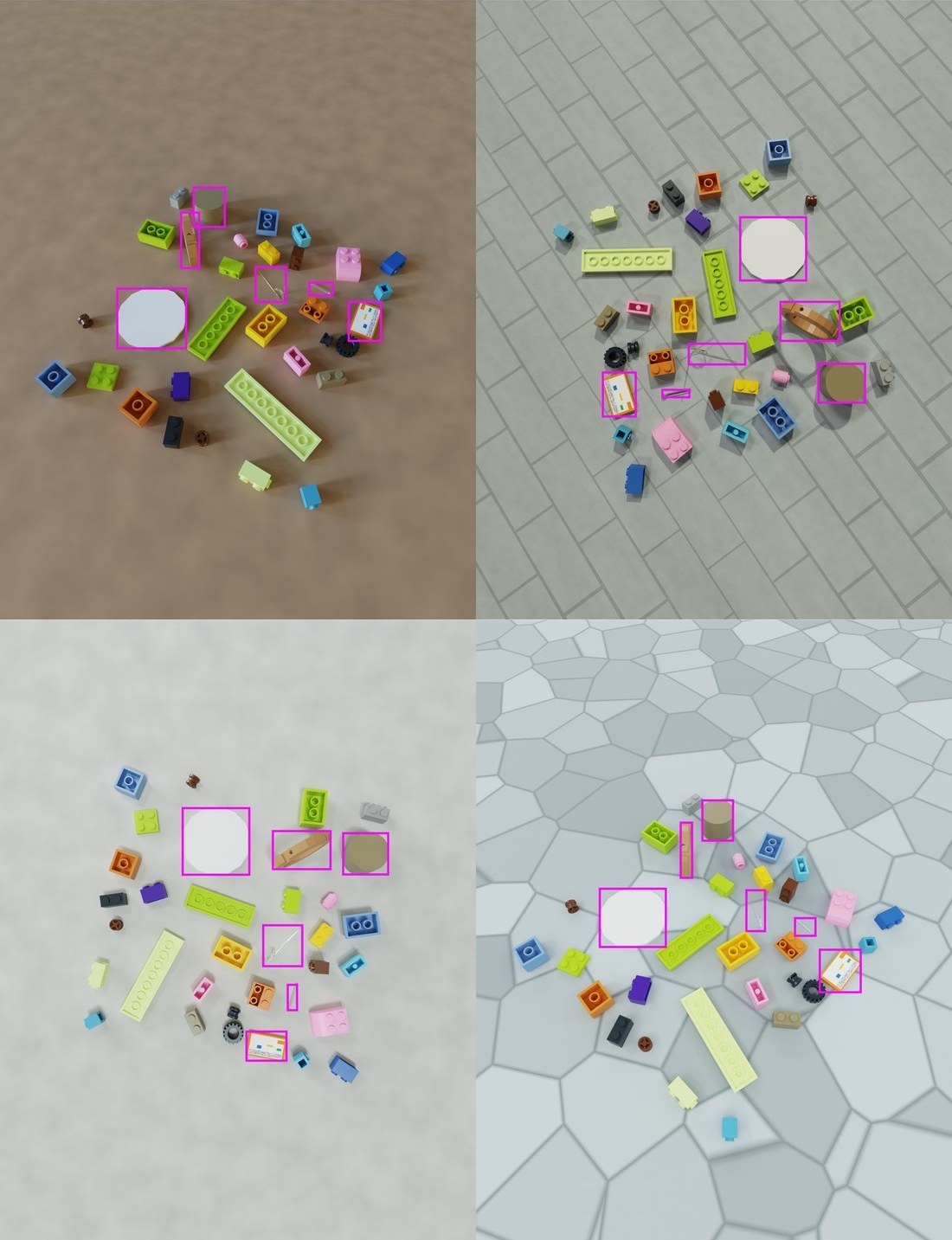
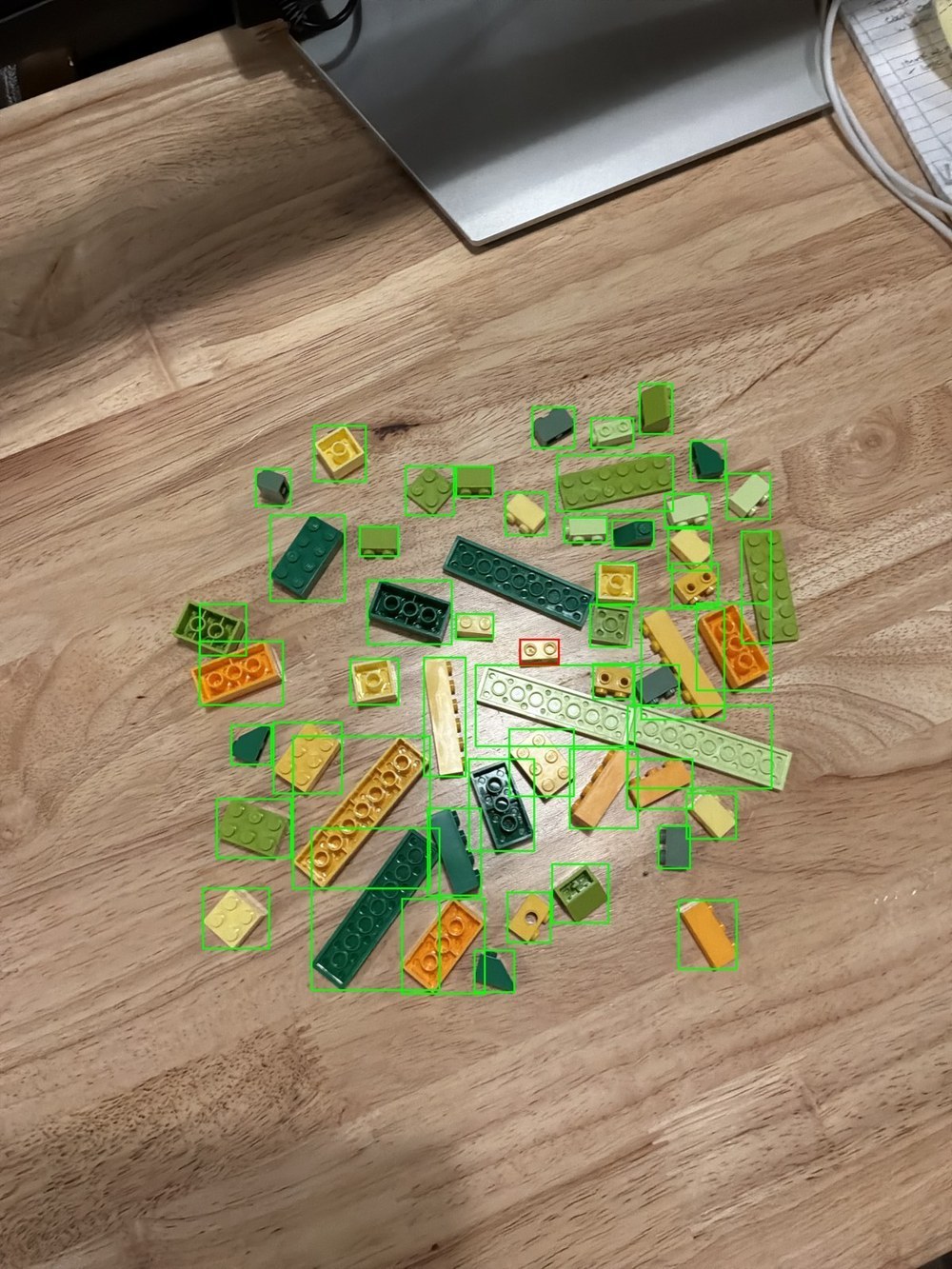
Detection at IoU ≥ 0.5 on scattered bricks. This score does not measure shape-and-colour identification or exact counting.
Evaluation note
Real photographs informed evaluation and development decisions; this was not a blind transfer test.
At the setting reported above, exact whole-scene counts were correct on approximately 40–46% of scattered photographs. Exact counting remains unreliable, particularly in piles. Correct totals can conceal cancelling misses and false detections.
The assembly films are visual demonstrations. Neither prototype recording has been tied to the evaluated checkpoint.
From the model to the moment of work.
These films explore how digital parts and guidance could appear during a real build. They are visual prototypes, separate from the detection result above.
From instructions to the real build.
A 29-second walkthrough shows the digital assembly, guidance at the workbench, and the prototype’s on-screen step checks.
From simulation to the point of work.
Research becomes useful when people can try it in their own environment. This iPad prototype proposes part identities and counts from a camera view.
The recording has not been tied to the evaluated checkpoint.